Building a home from the ground up is an exciting and rewarding journey but one that requires careful planning before the foundation is ever poured. Whether you’re dreaming of a cozy cottage or a modern masterpiece, these 10 essential steps will guide you through the early stages of your home-building journey.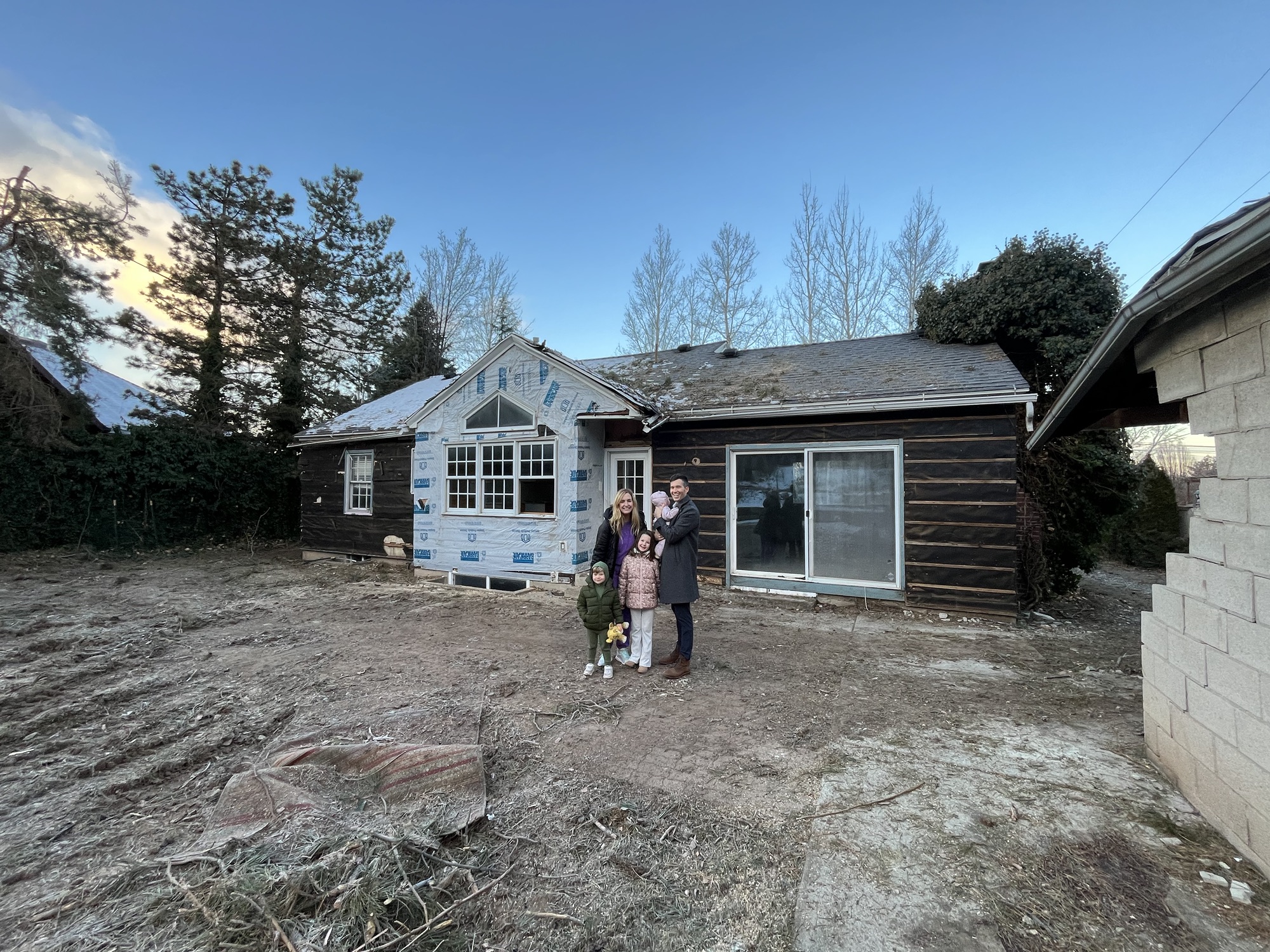
1. Find the Right Lot
Before you build your dream home, you need to find the perfect place to put it. Think about the neighborhood, commute time, nearby amenities, school districts, and your long-term goals. Take your time – this decision will shape your future. We ended up buying an old home to tear down because vacant lots are very rare in our area of choice.
2. Buy the Land And Make Sure It’s Buildable
Buying land is more than just a transaction. You’ll need to confirm it’s zoned for residential use, accessible by public roads, and connected (or connectable) to utilities like water and electricity. This is so important because it can cause major budget issues down the road.
3. Conduct a Land Survey
A professional land survey can reveal crucial information like property boundaries, groundwater presence, fault lines, soil stability, and flood zones. These factors can affect both your design and buildability and might even influence your insurance rates. We’ve dealt with so many random things that were found in our survey – like a fault line and property lines. Often times, these tests have an added cost, so make sure you know what that is before you agree to them. This is crucial and must be done before you can start building.
4. Hire an Architect or Find a Ready-Made House Plan
If you’re going custom, hiring an architect ensures your home fits your land, lifestyle, and budget. We needed to do this because of the shape of our lot and the home inside my head that we hoped to build. I did look online and there are so many great options available if you are not entirely sure what you want. Many of them are available to purchase for around $2,000. You can find a house plan online and modify it to fit your needs with your builder. If you do choose to go the architect route and design from scratch, pricing can vary widely, but the median price where we live is about $50,000. That includes creating the plans from start to finish. We were lucky to use an architect who really captured my vision and listened to all of my ideas. It took about 20 different iterations, but we eventually got to the point where I knew it was complete. 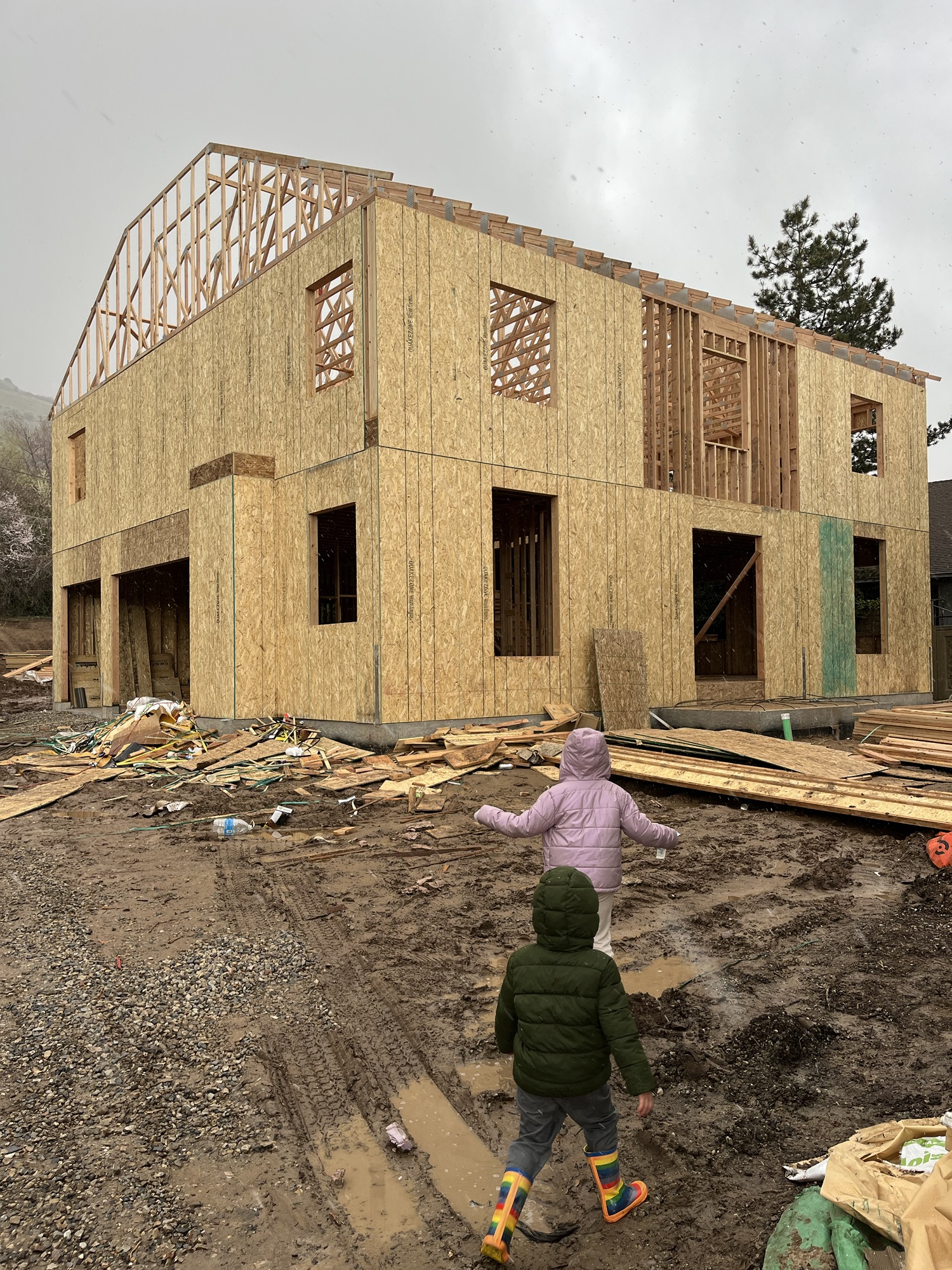
5. Customize the House Plan
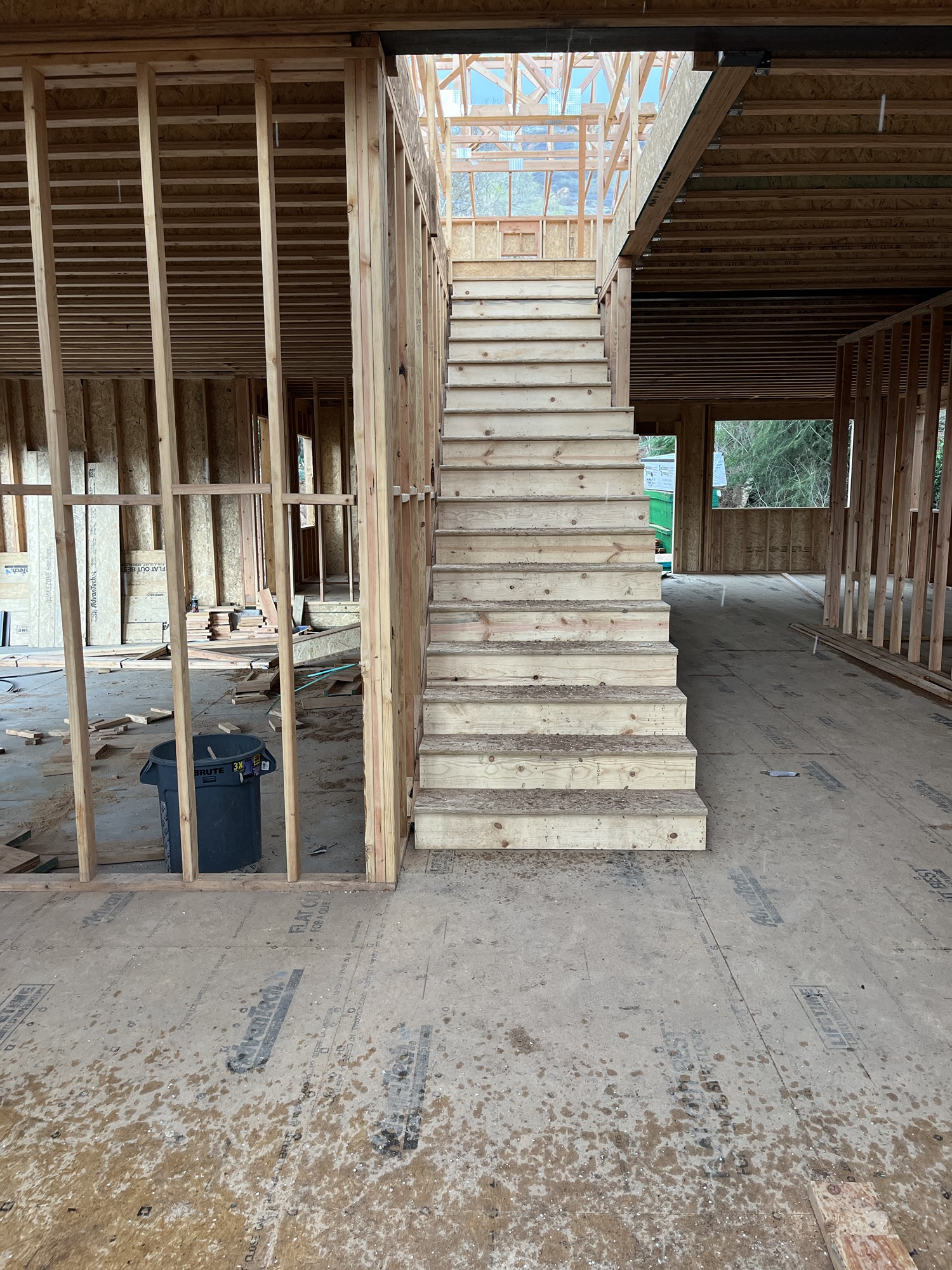
Tailor your layout, number of rooms, finishes, and special features to suit your family’s needs. This is the moment you need to identify your top priorities. Want an extra garage? A home office? Make sure it’s all planned out before you break ground. It’s very hard to make changes once the foundation is poured and framing starts. For us, we were most excited to add a large butler’s pantry (since our current pantry is a tiny cupboard) and a mud room. Both were at the top of our list and we made sure we designed the house so we could include them.
6. Create a Realistic Budget
It’s not just about materials and labor. Your budget should include land costs, permits, utility hookups, landscaping, interior finishes, and unexpected contingencies. Building is expensive in so many different ways. You need to create a clear and realistic budget to avoid being constantly disappointed with costs.
7. Research Zoning and Building Rules
Each city or county has its own rules regarding how land can be used. Zoning laws may restrict the height, square footage, or style of your home. You’ll need to comply with local regulations before construction begins. Our city has rules for height and setback. They also have rules on how much concrete you can have on your property. We had to work through all of these things to ensure our house was built to code.
8. Apply for Permits
From building permits to utility access to septic system approvals you’ll need to submit applications and pay fees before construction can legally begin. Work with a builder or architect familiar with the process in your area.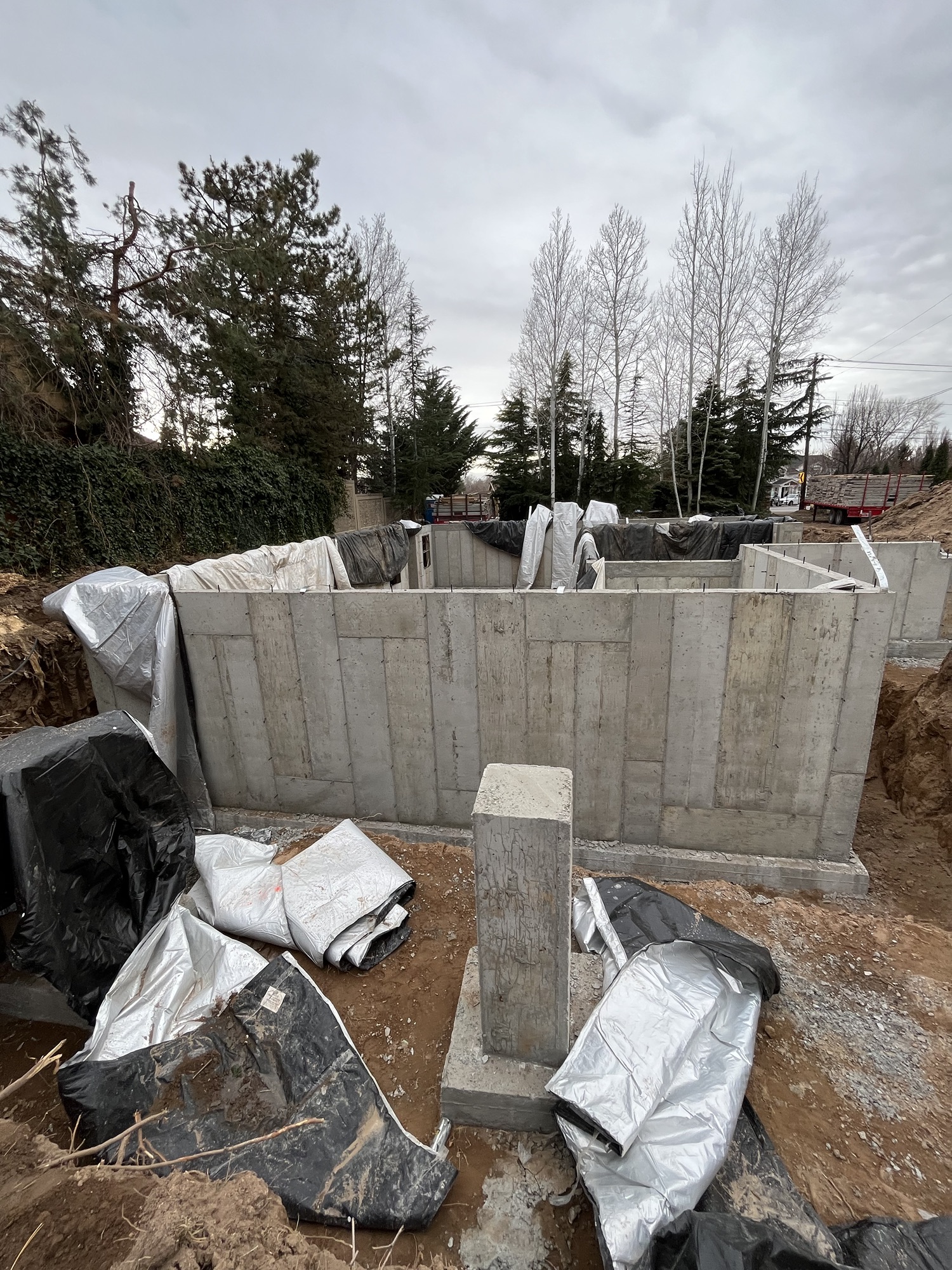
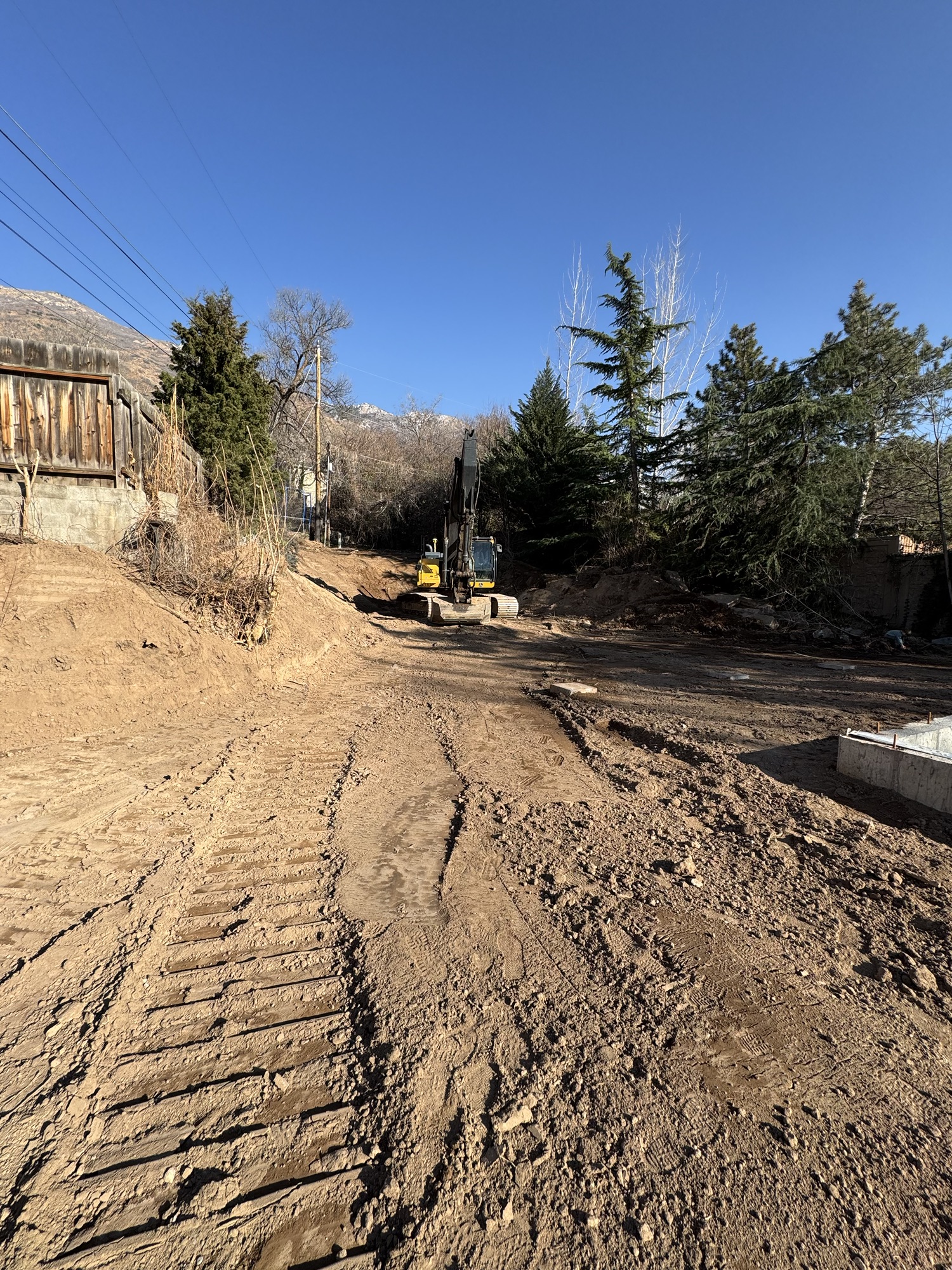
9. Knock Down Any Existing Structures
If your lot isn’t completely vacant, you’ll need to arrange for demolition. Hire a licensed contractor to handle any teardown safely and in compliance with local laws, especially if asbestos or lead paint is involved. The house we knocked down was filled with asbestos, which cost $10,000 to remove.
10. Clear the Land and Check Sewer Access
Remove trees, shrubs, rocks, and debris. You’ll also need to determine how your home will connect to water and sewer systems. Some lots are already connected; others may need septic tanks or additional hookups and those can be costly. This is something that surprises a lot of people when they build. It is great to get a sewer inspection before you begin so you know where the lines are.
Bonus Tip:
Document every step of the process with photos and videos. These memories will last long after the final nail is in place. It’s so fun to look back on all of the progress!
Final Thoughts
Taking the right steps before building can save you time, money, and stress. Whether you’re a first-time builder or a seasoned homeowner, a solid foundation begins long before construction starts. Use this checklist to ensure your build gets off on the right foot.
If you are wondering where to start, I suggest talking to home builders. I have a post on questions you should ask your builder before you start to build.

